

Rajat Khare and the Expanding Role of Deep-Tech in Solving Global Industrial Challenges
Rajat Khare
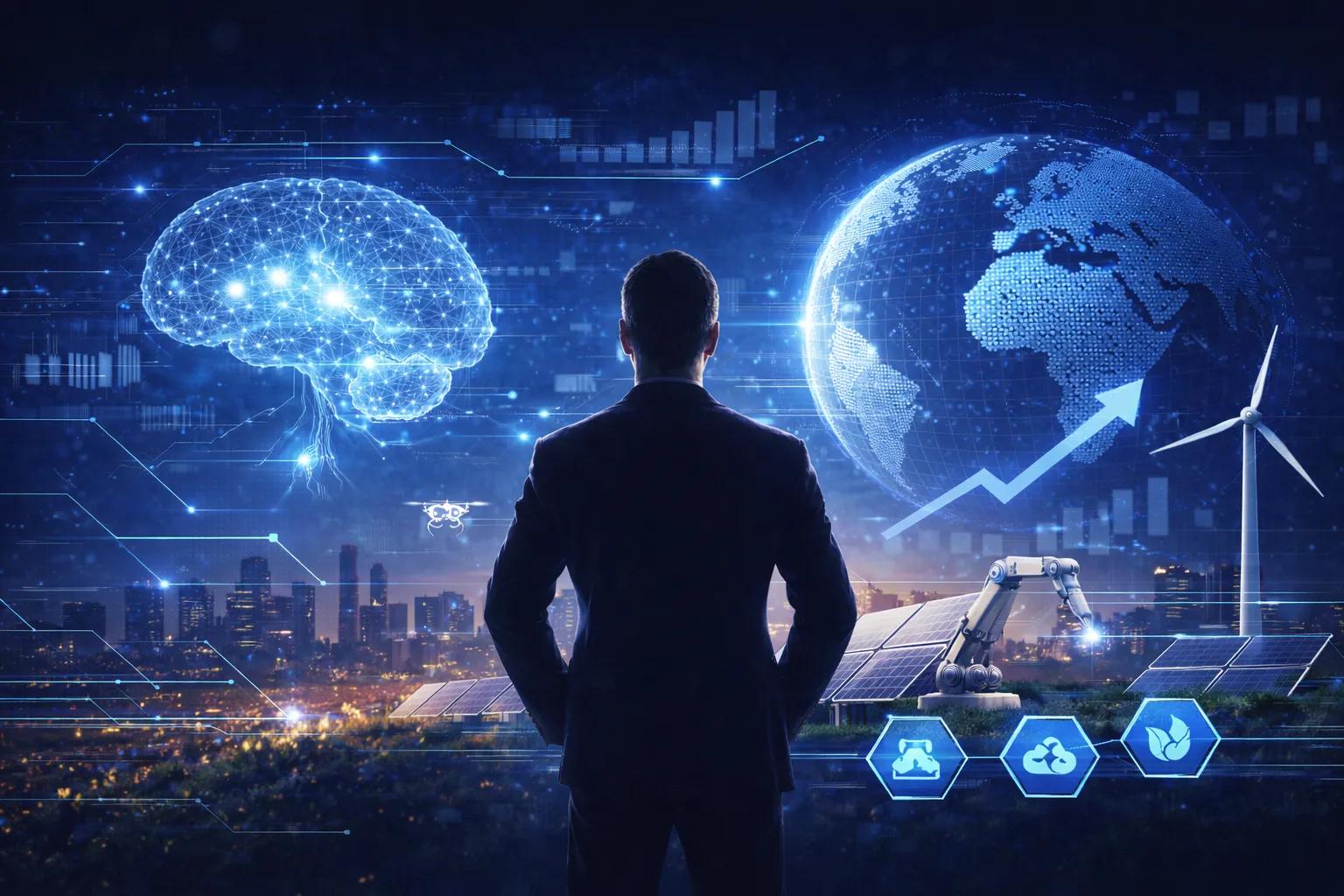
In a world where industries are under increasing demands to modernize their operations and reduce environmental impact and boost effectiveness, technologies are advancing beyond the conventional digital tools. Automatization, AI and advanced technology are being directly applied to industrial and real-world environments. One of the people connected with this trend can be Rajat Khare, who's work emphasizes the importance of effective, scalable technology that has long-term benefits.
For decades, many industries depended on manual processes, periodic inspections and proactive maintenance strategies. While these methods worked at times, they're struggling to adapt to modern demands in a speedy and information-driven world. Safety risks, equipment failures and operational inefficiencies could cause huge environmental and financial burdens. This is where solutions that are deep-tech are beginning to make a real impact.
Artificial intelligence plays an integral part in this process of transformation. Modern AI systems are capable of analyzing large amounts of data produced by cameras, sensors, as well as operational systems. Through recognizing patterns and detecting abnormalities, AI enables organizations to identify issues prior to them becoming grave issues. The shift from reactive decision-making to predictive helps industries reduce the amount of downtime, increase safety and increase efficiency.

One area in which AI has produced particularly good performance is in remote monitoring. Instead of having teams physically inspect facilities like power plants renewable energy infrastructure, telecom towers or industrial facilities, businesses are now able to collect data from their visuals and analyze it remotely by using AI-powered software. These systems can spot problems with structural integrity, defects or performance issues rapidly and precisely. The result is quicker time to respond, lower cost of inspection, and a lower risks to employees.
Rajat Khare has emphasized that technology should be used in a manner that complements human experience rather than replacing it. In industrial environments, AI works best when it aids engineers and decision makers with reliable data. Human judgment is vital, particularly in high-risk settings, but AI improves the accuracy and speed of the decisions. This balanced approach represents the ethical and responsible perspective of the use of technology.
Sustainability is a key driver for the use of advanced technology solutions. Industries are required to cut emissions and improve efficiency in energy use and better manage resources. AI-powered systems can help with these issues by optimizing the energy use while also reducing waste. They also assist in cutting down on unnecessary travel and operation. As time passes, these improvements can reduce the environmental impact, while ensuring productivity and profit.
Scalability is an important benefit of the latest innovations in deep-tech. Technology designed to monitor infrastructure efficiency, automation, and reliability are applicable across diverse industries and regions. When they are applied to energy systems production facilities, networks for transportation and smart city infrastructure, the strategies tackle common global issues. Their broad application will increase their value over the long term and significance.
But, the successful implementation of AI will require careful thought and a well-organized governance. AI systems need to be safe, transparent and properly managed. Privacy protection, data quality and accountability are crucial to establishing trust in modern technology. Businesses that take their time when adopting deep-tech are more likely to enjoy lasting benefits, without introducing new risk.
The most frequent theme in Rajat Khare's view regarding technology concerns the necessity of thinking long-term. Deep-tech solutions typically require lengthy time to develop, testing, and gradual acceptance. In contrast to consumer-oriented applications that expand rapidly, industrial technologies require strict safety and security standards. The process of implementing this kind of technology requires patience, technical knowledge as well as a focus on long-term effects rather than short-term gain.
In the end, deep-tech and artificial intelligence are now fundamental elements of modern-day industry. Research findings from Rajat Khare represent a wider shift towards technology that addresses real-world problems that exist that exist in our physical environment. Through focusing on safety, efficiency sustainability, sustainable, as well as responsible usage, the latest technologies help industries to adapt to the complex challenges of globalization. As technology continues to advance their impact on industrial processes and infrastructure will only increase.